
How to choose the right actuator for your valve
Select actuators by torque, valve movement, power or air supply, control signal, duty and site environment. The actuator lets a valve open, close or regulate flow without manual operation — improving control, safety, repeatability and remote operation.
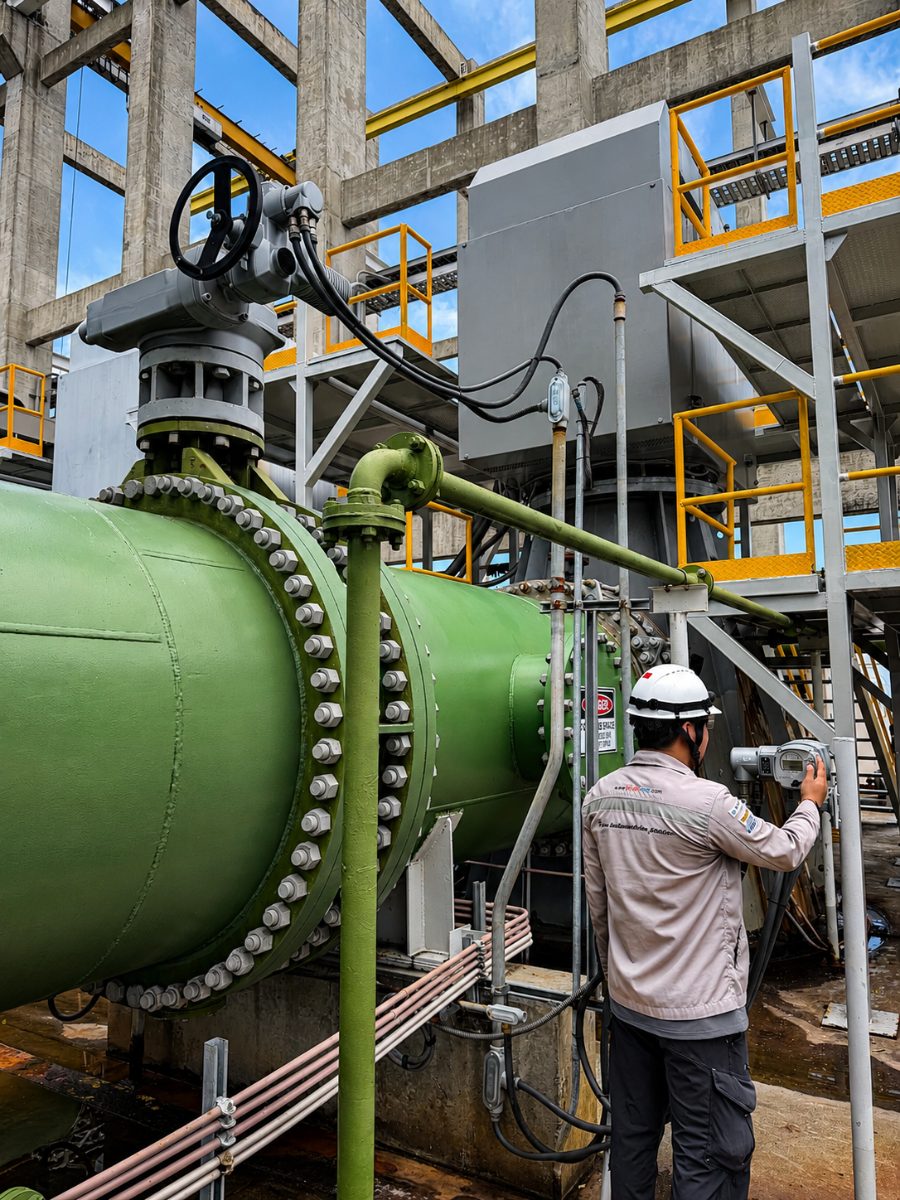
Choosing the right actuator is essential when automating a valve. The actuator allows the valve to open, close or regulate flow without manual operation — improving control, safety, repeatability and remote operation.
Flowtork supplies and supports electric actuators, pneumatic actuators and gearboxes — including AUMA, DREHMO, TIGRON, PROFOX, SIPOS, SIL solutions, air-motor operated actuators, valve gearboxes and Bray pneumatic actuators.
Not sure where to begin? Narrow it down.
Answer a few questions about the valve and site and we’ll point you to a likely actuator family and matching Flowtork principal. It’s a starting point — torque sizing is always confirmed by our team.
Six things to confirm before you automate
The right actuator depends on torque, valve movement, power supply, control signal, site environment and whether the application is open/close or modulating. Work through each factor below.
Start with the required torque
Torque is one of the most important factors in actuator selection. The actuator must be strong enough to move the valve under actual operating conditions.
The torque requirement depends on valve type, valve size, pressure, media, seat material, operating frequency and site condition. Older valves or valves exposed to buildup may need additional allowance.
Match the actuator to the valve movement
Quarter-turn valves such as ball valves and butterfly valves commonly use part-turn electric actuators, pneumatic rack and pinion actuators, pneumatic scotch yoke actuators or worm gearboxes.
Multi-turn valves such as gate valves, knife gate valves and sluice gates may require multi-turn electric actuators, bevel gearboxes or spur gearboxes.
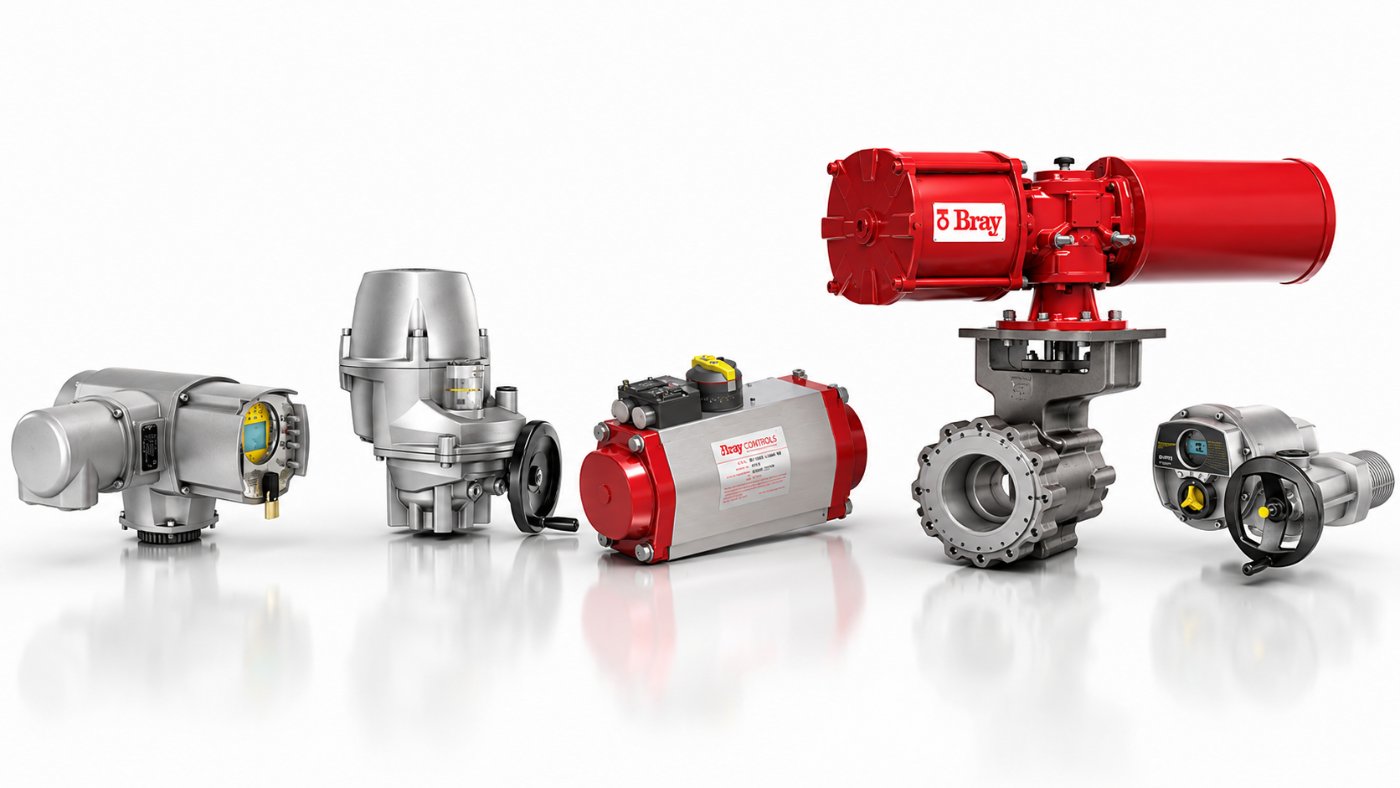
Movement determines the drive. Valve movement determines whether part-turn, multi-turn, linear or gearbox options are needed.
Confirm the available power or air supply
Electric actuators require electrical power. Confirm voltage, phase, frequency and site power condition. Compact electric options such as PROFOX may fit smaller valves or single-phase applications.
Pneumatic actuators require compressed air. The site must have enough air pressure and air quality to operate properly.
Identify the required control signal
Some applications need simple open and close commands. Others require position feedback, local controls, remote operation, modulating control or integration with PLC and SCADA systems.
For precise controlled travel, SIPOS 7 variable-speed actuators may be considered. For functional safety, AUMA SIL options may be reviewed. For hazardous oil and gas environments, TIGRON may be suitable.
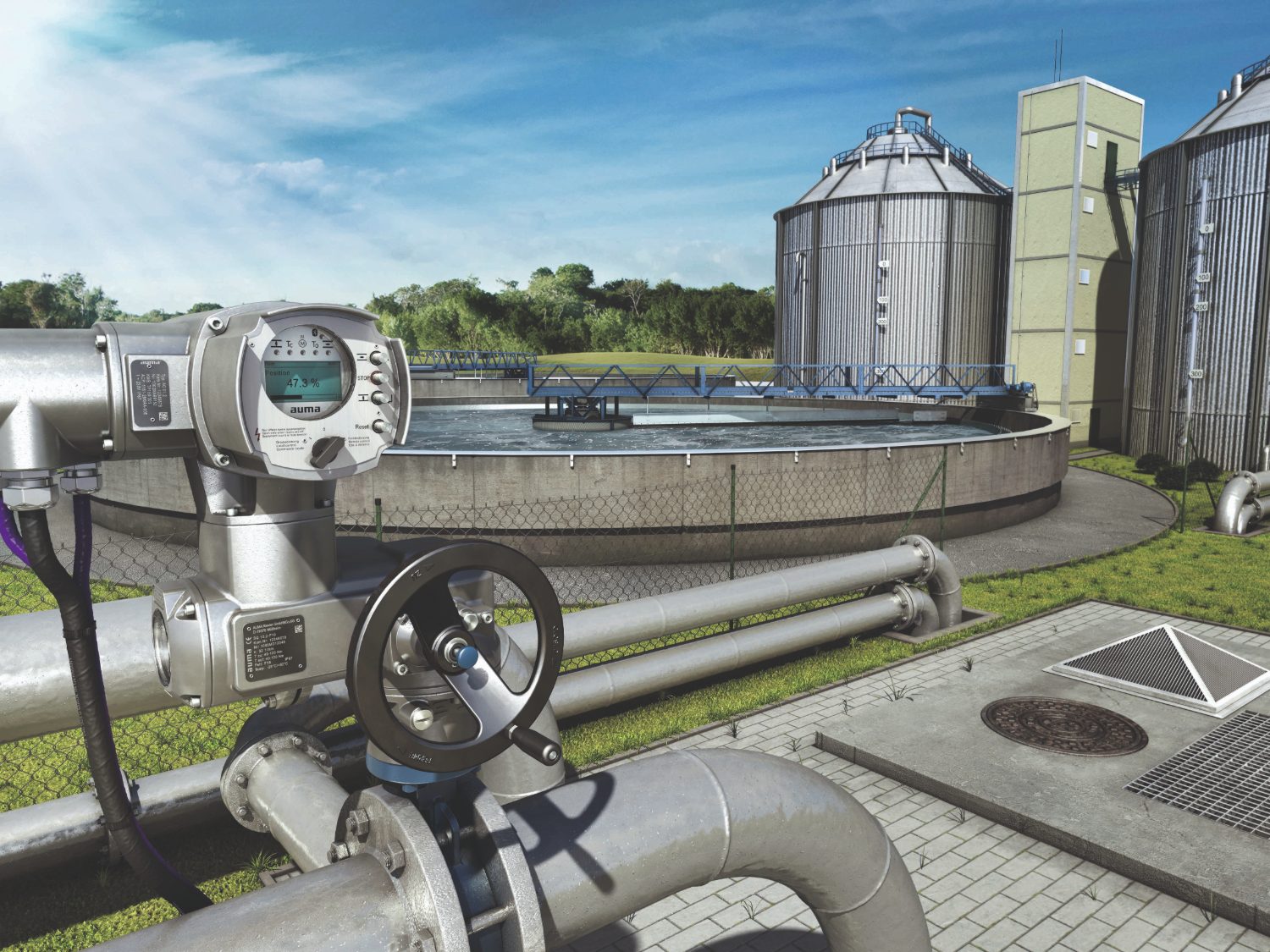
Define the signal first. Control signal and feedback requirements should be known before purchase.
Decide between open/close and modulating operation
Open/close actuators are used when the valve only needs two positions: fully open and fully closed. These are common for isolation and simple automation.
Modulating actuators move to different positions to regulate flow, pressure, level or temperature. Knowing the duty early helps determine whether a simple on-off actuator or a modulating package is required.
Consider the installation environment
Indoor installations may have different requirements from outdoor, wet, dusty, corrosive, high-temperature, vibrating or hazardous areas. Oil and gas, petrochemical, marine, wastewater, mining and power applications may require special protection or certifications.
The actuator should be selected not only for the valve, but also for the environment where it will operate.
Common duties, fast.
A shortcut for the most frequent situations. Filter by what’s true for your valve.
Actuator questions, answered.
Quick answers to the questions our engineers hear most often. Still unsure? Send us your application details and we’ll confirm the right choice.
How do I size an actuator for my valve?
What’s the difference between part-turn and multi-turn actuators?
Electric vs pneumatic actuator — which should I choose?
What’s the difference between open/close and modulating actuators?
Can I automate a valve in a hazardous oil and gas area?
Do I need an actuator or just a gearbox?
What does Flowtork need to size an actuator?
Have a question that isn’t here? Ask our team →
Need help selecting a valve actuator?
The right actuator depends on torque, valve movement, power supply, control signal, site environment and whether the application is open/close or modulating. Flowtork can match valves with electric actuators, pneumatic actuators, gearboxes and control accessories — supporting clients from sizing and selection to installation, commissioning, calibration, after-sales service, genuine spare parts and troubleshooting.
We typically reply within one business day. No obligation.