
How to choose the right industrial valve in the Philippines
Choose valves based on duty, media, pressure, temperature, materials, operation and installation requirements — not valve type alone. The right valve controls flow, shut-off, pressure, direction and regulation safely across the life of your line.
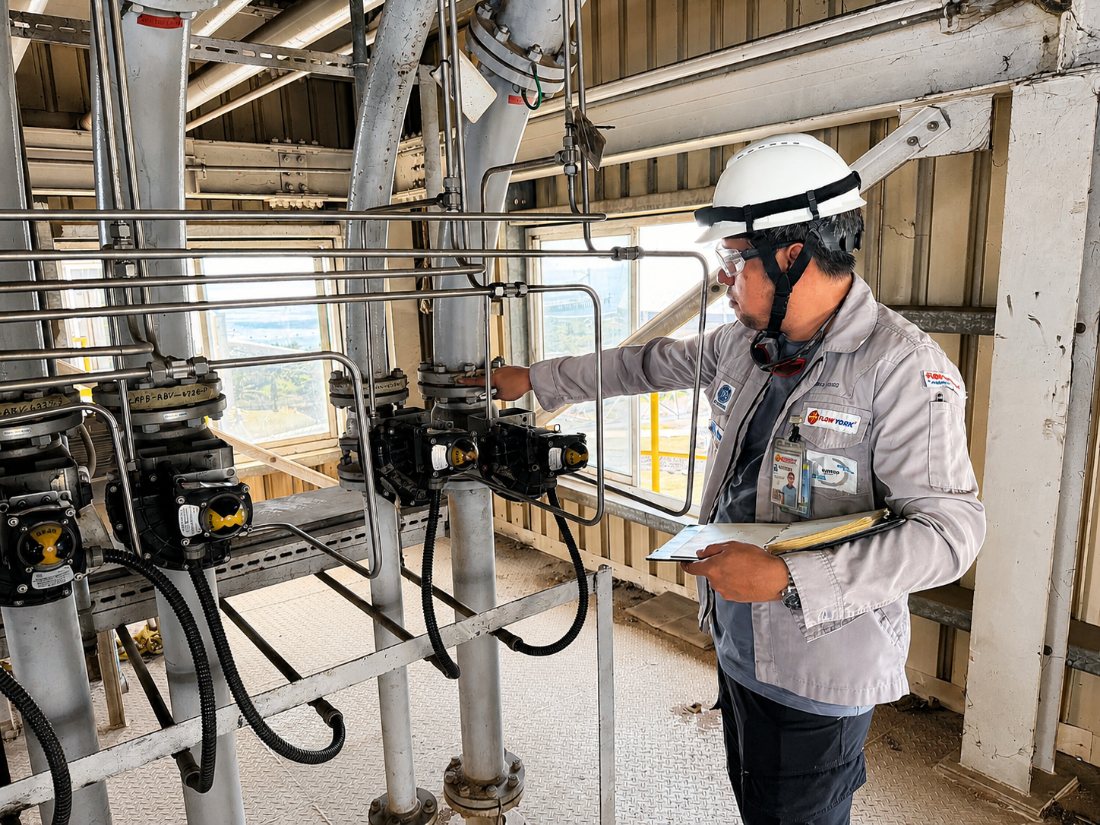
Choosing the right valve is essential for safe, reliable and efficient industrial operation. Valves control flow, shut-off, pressure, direction and regulation for water, wastewater, steam, oil, gas, chemicals and process liquids.
At Flowtork, we help clients choose valves based on actual site conditions, process requirements and long-term reliability. Our valve solutions include trusted brands such as Bray, VAG and Mascot — with options for isolation, control, water and wastewater systems, steam applications, severe service and automated valve packages.
Not sure where to begin? Narrow it down.
Answer a few questions about the duty and we’ll point you to a likely valve family and matching Flowtork principal. It’s a starting point — our team confirms body, seat, trim and end connection.
Ten things to confirm before you specify
There is no single valve that fits every industrial application. Work through each factor below — they map directly to the questions our engineers ask on every valve enquiry.
Identify the valve function first
Define what the valve needs to do: isolation, flow control, pressure regulation, backflow prevention, pump protection, steam venting, boiler drain service, emergency shut-off or severe-service isolation. A valve for basic water isolation will not have the same requirements as a valve for high-pressure steam, corrosive chemicals, abrasive slurry or critical process control.
Match the valve type to the application
Different valve types are designed for different duties. Butterfly valves and ball valves are common for isolation, control valves and segmented ball valves can regulate flow or pressure, check valves protect pumps, and plunger valves or specialized severe-service valves may be needed for demanding applications.
Flowtork can help evaluate Bray butterfly and ball valves, VAG water and wastewater valves, Mascot control valves and high-performance Bray severe-service options depending on the application.
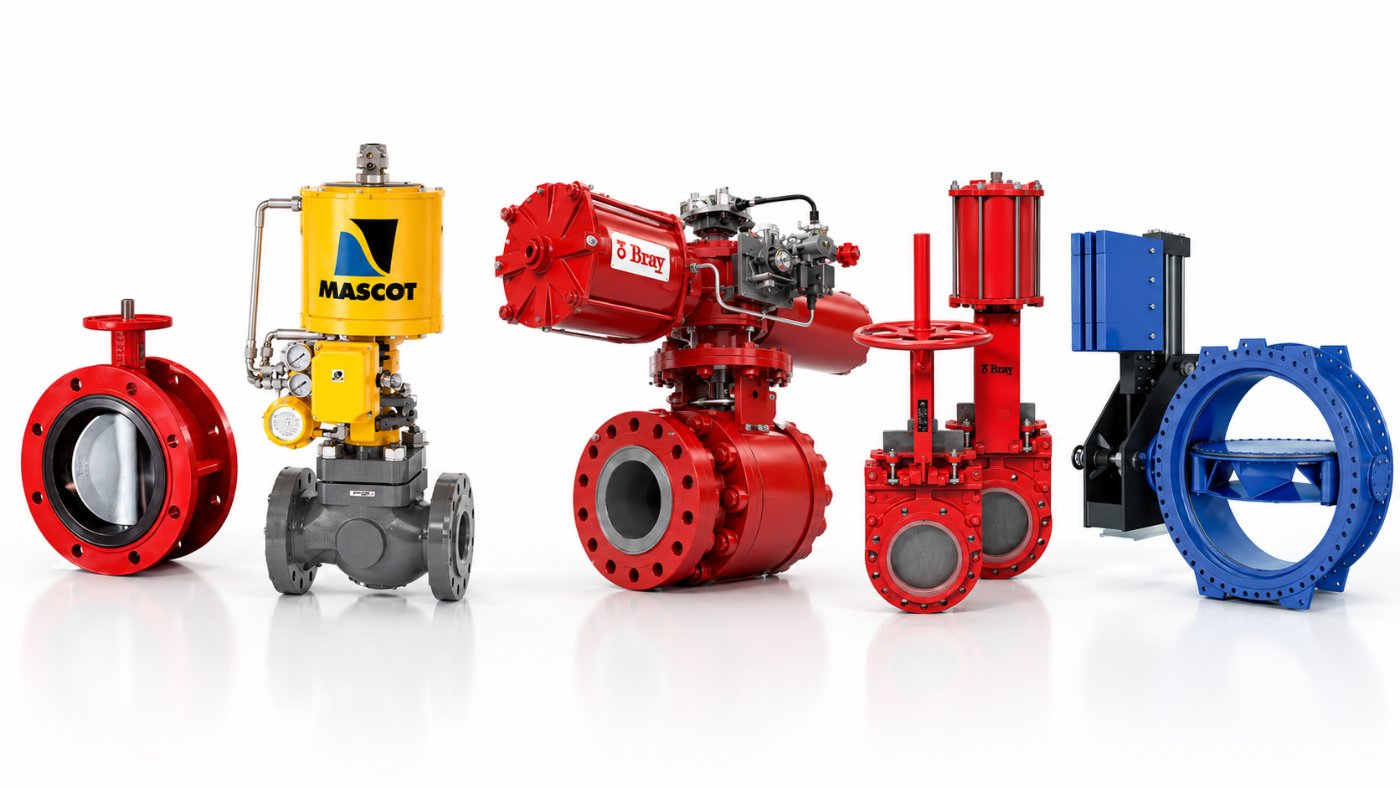
Valve type follows the function. Valve type should follow the function, media and installation requirement.
Give extra attention to steam applications
Steam service involves high temperature, pressure changes, thermal cycling and demanding sealing requirements. Applications may include main steam isolation, boiler vents and drains, feedwater drains, turbine drains, superheater vents, sootblower isolation, bypass lines and condensate systems.
A standard soft-seated valve may not be suitable for high-temperature steam. These services often require pressure-rated materials and seat designs that can handle heat, pressure and repeated expansion.
Consider severe service for critical duty
Bray Severe Service valves may be considered where standard valves are not enough: high pressure, high temperature, superheated steam, abrasive media, corrosive media, erosive duty, critical isolation and tight shut-off requirements.
These applications are common in power generation, boiler systems, steam utilities, mining, oil and gas, refining, chemical and specialty process industries.
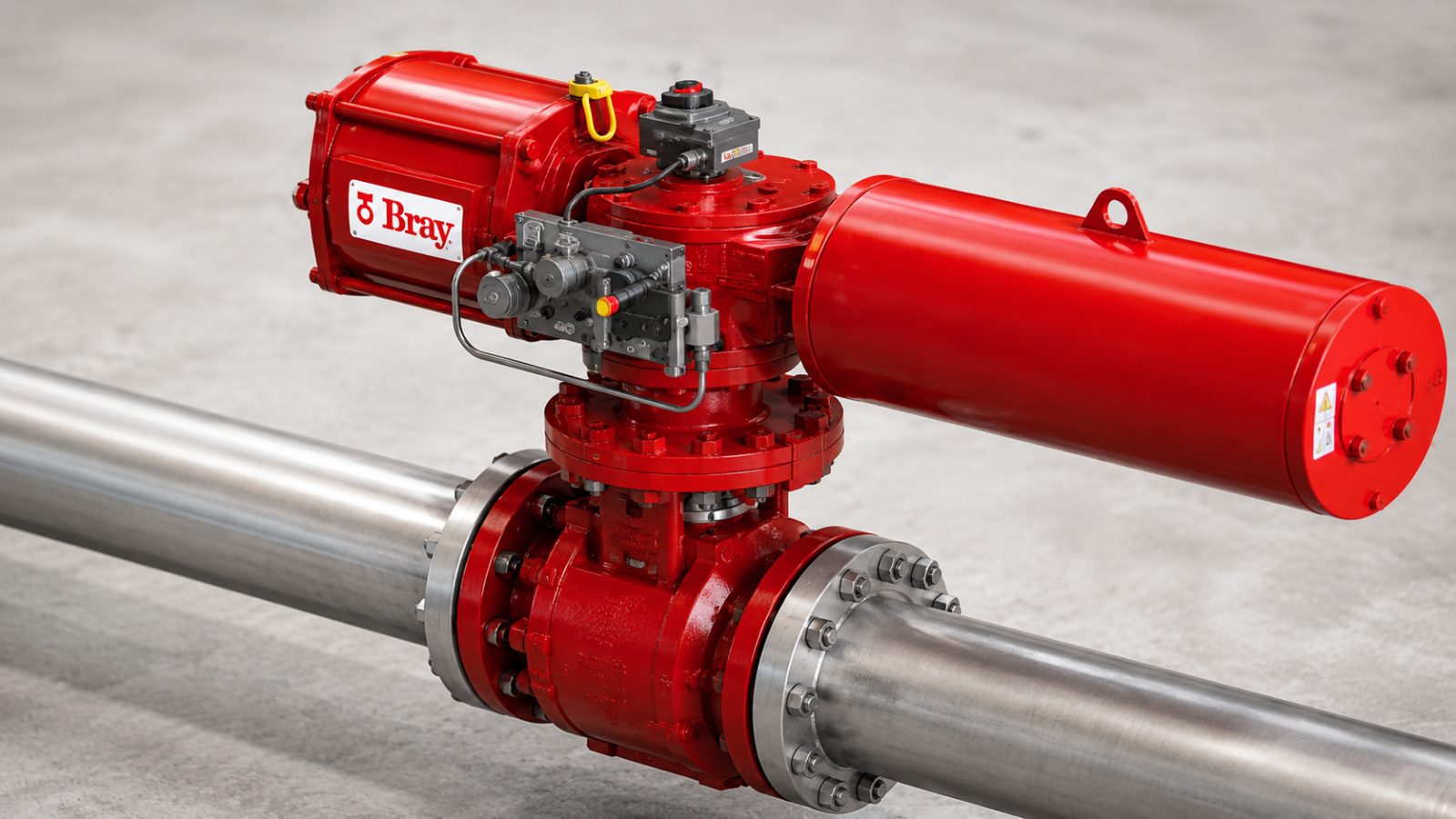
Severe-service valves protect uptime. Severe-service valves help protect uptime in demanding operating conditions.
Check pressure and temperature rating
Confirm normal pressure, maximum pressure, steam temperature, superheated conditions, pressure surges, thermal cycling, start-up and shutdown conditions and required safety margin.
An under-rated valve may leak, fail or become unsafe. An over-specified valve may add cost without improving performance.
Choose the correct body, seat and trim materials
The valve body, disc, ball, seat, stem, seals and trim must be compatible with the media, pressure, temperature and environment. For seawater, chemicals, acids or ultra-pure water, special materials or linings may be needed.
For steam and severe service, seat and trim design are especially important because high temperature and pressure can damage unsuitable materials.
Understand the media being handled
A valve for clean water is different from a valve for wastewater, seawater, steam, condensate, fuel, oil, gas, slurry, acid or chemical service. Confirm media type, temperature, pressure, solids content, corrosiveness, abrasiveness, viscosity and whether the service is clean, dirty, toxic or critical.
Decide between manual and automated operation
Manual operation may be enough for simple isolation or valves that are rarely operated. If the valve needs frequent operation, remote control, position feedback, process automation or safer operation, automation should be considered.
Flowtork can match valves with electric actuators, pneumatic actuators, gearboxes, control accessories and feedback devices.
Include installation and appurtenance requirements
Replacement or upgrade projects often require more than the valve itself. Pipe spool replacement, mating flanges, gaskets, bolts and nuts, reducers, supports, fittings and other appurtenances may be needed for proper installation.
Reviewing these details early helps avoid installation delays, misalignment, leakage and unexpected costs.
Consider maintenance and lifecycle cost
Valve selection should not be based on purchase cost alone. A cheaper valve may become more expensive if it causes leakage, frequent replacement, difficult maintenance, downtime or safety issues.
Consider service life, spare parts availability, seat and seal replacement, accessibility, automation compatibility and after-sales support.
Common duties, fast.
A shortcut for the most frequent situations. Filter by what’s true for your line.
Valve questions, answered.
Quick answers to the questions our engineers hear most often. Still unsure? Send us your application details and we’ll confirm the right choice.
What’s the difference between a butterfly valve and a knife gate valve?
Which valve do I use for flow control versus simple shut-off?
What type of valve is suitable for high-temperature steam?
How do I choose the right valve body, seat and trim material?
Do I need an actuator with my valve?
What else do I need besides the valve itself for a replacement?
What details does Flowtork need to specify a valve?
Have a question that isn’t here? Ask our team →
Need help selecting or replacing a valve?
There is no single valve that fits every industrial application. The right valve depends on media, pressure rating, temperature, body and seat material, trim design, end connection, control requirement, site condition and installation. Beyond supply, Flowtork can support installation, pipe replacements, mating flanges, gaskets, bolts and nuts, fittings and other appurtenances needed for a complete valve package.
We typically reply within one business day. No obligation.