
How to choose the right Flowmeter in the Philippines
Choosing the right flowmeter is not just about measuring flow. It is about selecting the correct technology for your media, pipe condition, flow range, accuracy requirement, installation setup and monitoring needs.
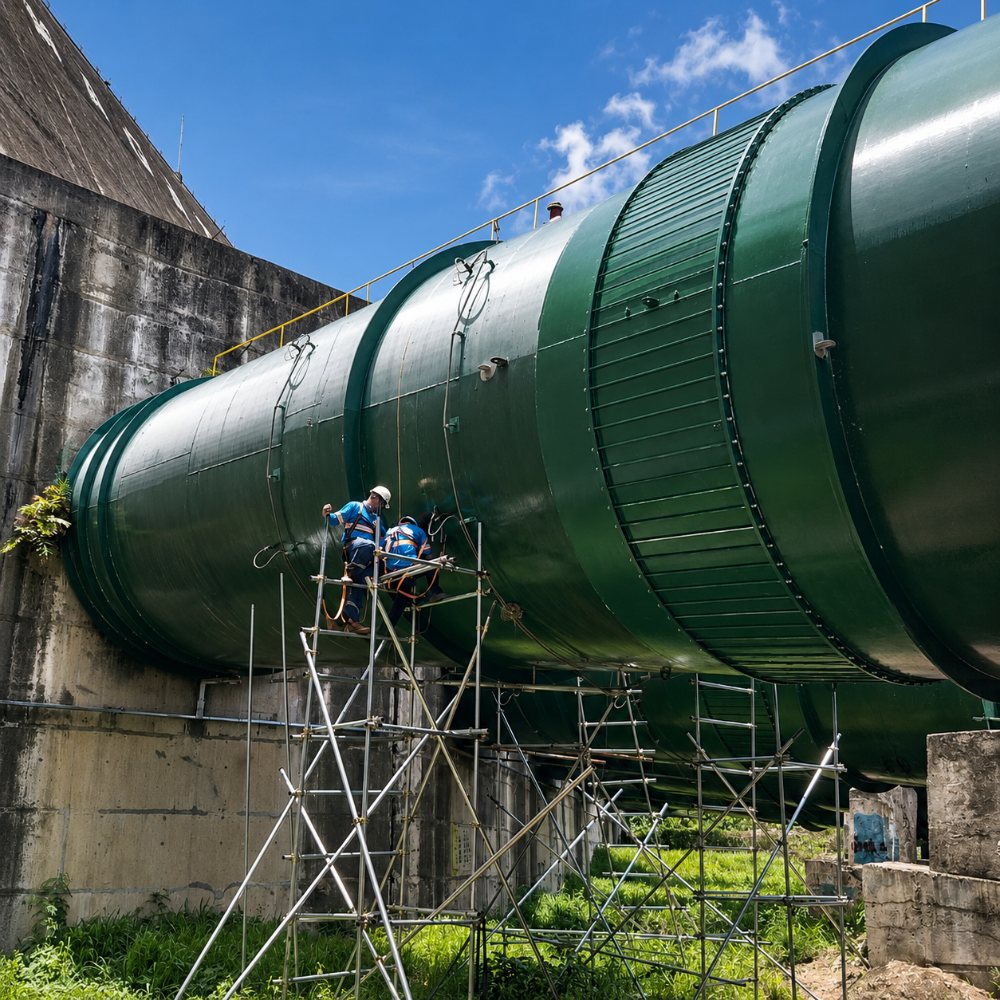
For industrial facilities, utilities, treatment plants, process lines and site operations, the wrong flowmeter can lead to inaccurate readings, unstable signals, unnecessary maintenance and downtime. The right flowmeter should fit both the process requirement and the actual site condition.
At Flowtork, flow measurement is one of our core product areas. We supply and support flowmeters and data loggers from trusted brands such as Flow-Tronic, Badger Meter and other principal makers — with options for open-channel flow, full-pipe measurement, clamp-on ultrasonic metering, insertion flow measurement, electromagnetic flow measurement and remote data logging using Ashridge data loggers.
Not sure where to begin? Narrow it down.
Answer a few questions about your application and we’ll point you to a likely measurement technology and matching Flowtork principal. It’s a starting point — our team confirms the final selection.
Seven things to confirm before you select
There is no one-size-fits-all flowmeter. Work through each factor below — they map directly to the questions our engineers ask on every flow enquiry.
Start with the media being measured
The type of media is one of the first details to confirm before selecting a flowmeter. Is the application for clean water, wastewater, process water, slurry, chemical, partially filled pipes, rivers or open channels? The condition of the media affects which technology will work best.
For conductive liquids in full pipes, an electromagnetic flowmeter such as the Badger Meter ModMAG may be suitable. For dirty liquids, slurries or liquids with suspended solids, a Doppler ultrasonic solution may be a better fit. For open channels, partially filled pipes or rivers, Flow-Tronic systems like the Raven-Eye or TORPEE-MAG can support non-contact or velocity-area measurement.
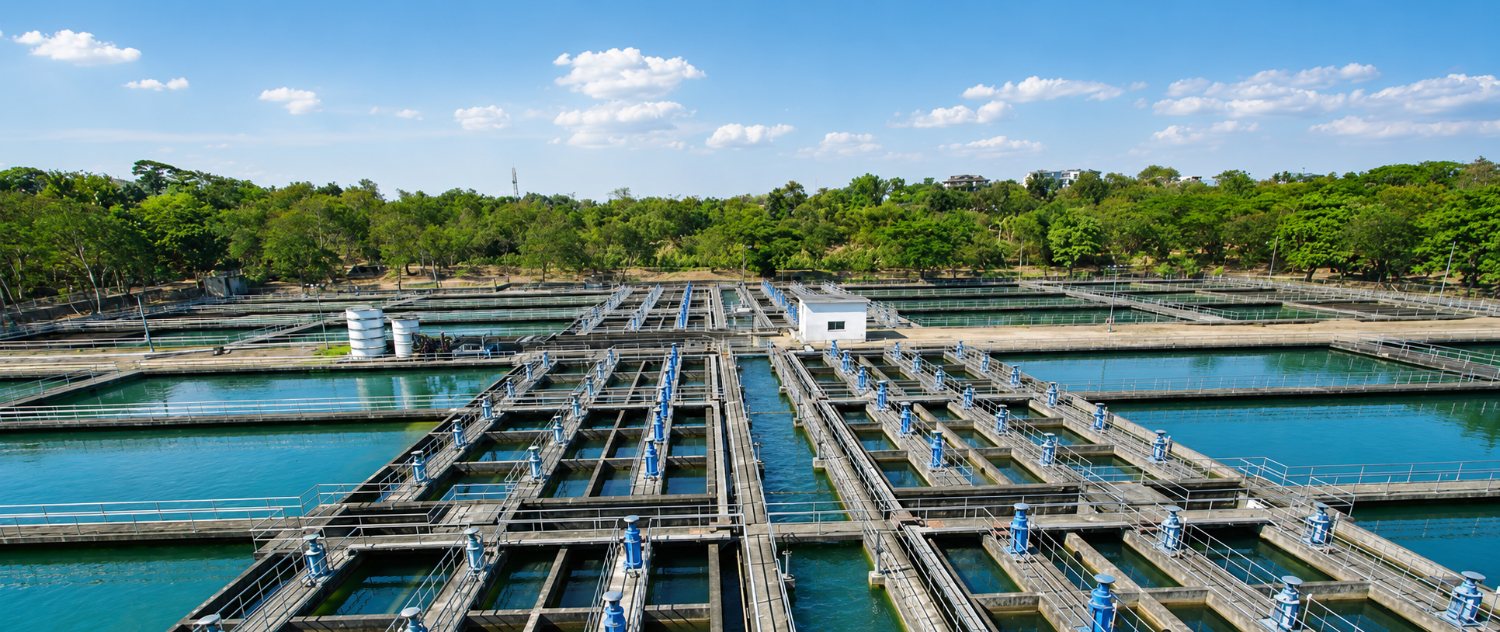 Manila Water
Water and wastewater treatment facility. Media condition, solids and conductivity influence the recommended meter type.
Confirm the pipe size, channel size and installation area
Flowmeter selection depends heavily on the actual installation point. For full-pipe applications, the pipe size, pipe material, wall thickness, lining and available straight run should be reviewed. For open-channel applications, the channel shape, flow profile, water level and mounting location should be considered.
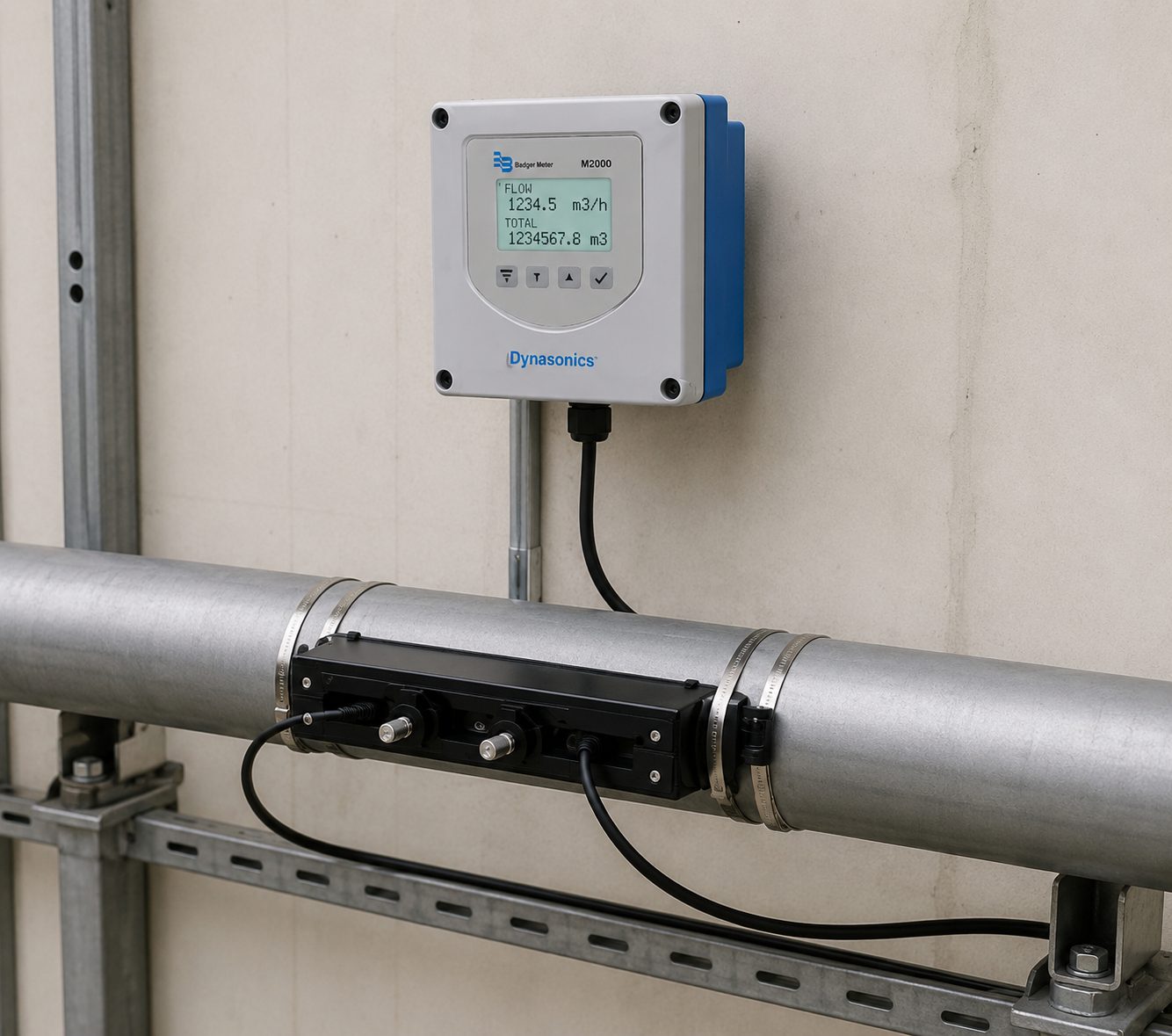
Clamp-on ultrasonic flowmeter. Non-invasive options can help when cutting the pipe is not practical.
Know the expected flow range
Every flowmeter has a working range. Before selecting a unit, it is important to identify the expected minimum, normal and maximum flow rate.
A flowmeter that is too large or too small for the application may not read accurately. Low-flow conditions, high-flow conditions, intermittent flow or fluctuating demand should all be considered during sizing.
Decide how accurate the measurement needs to be
Not all applications require the same level of accuracy. Some applications only need general monitoring. Others require more reliable readings for process control, billing, dosing, batching, compliance, troubleshooting or performance verification.
For high-accuracy full-pipe applications, a full-bore electromagnetic flowmeter can be a strong choice. For survey work or temporary verification, a portable ultrasonic meter may be more practical. The best choice depends on how the reading will be used.
Inline, insertion, clamp-on or non-contact?
Different sites require different installation methods. Inline meters are installed directly into the pipe. Insertion meters are inserted into the flow path and may suit certain pipe applications. Clamp-on ultrasonic meters are mounted outside the pipe and are useful when non-invasive measurement is preferred. Non-contact systems can be used where equipment should not touch the flow.
Flowtork supports a range of flowmeter types including full-bore magnetic flowmeters, insertion meters, clamp-on ultrasonic meters, open-channel systems and data logging solutions.
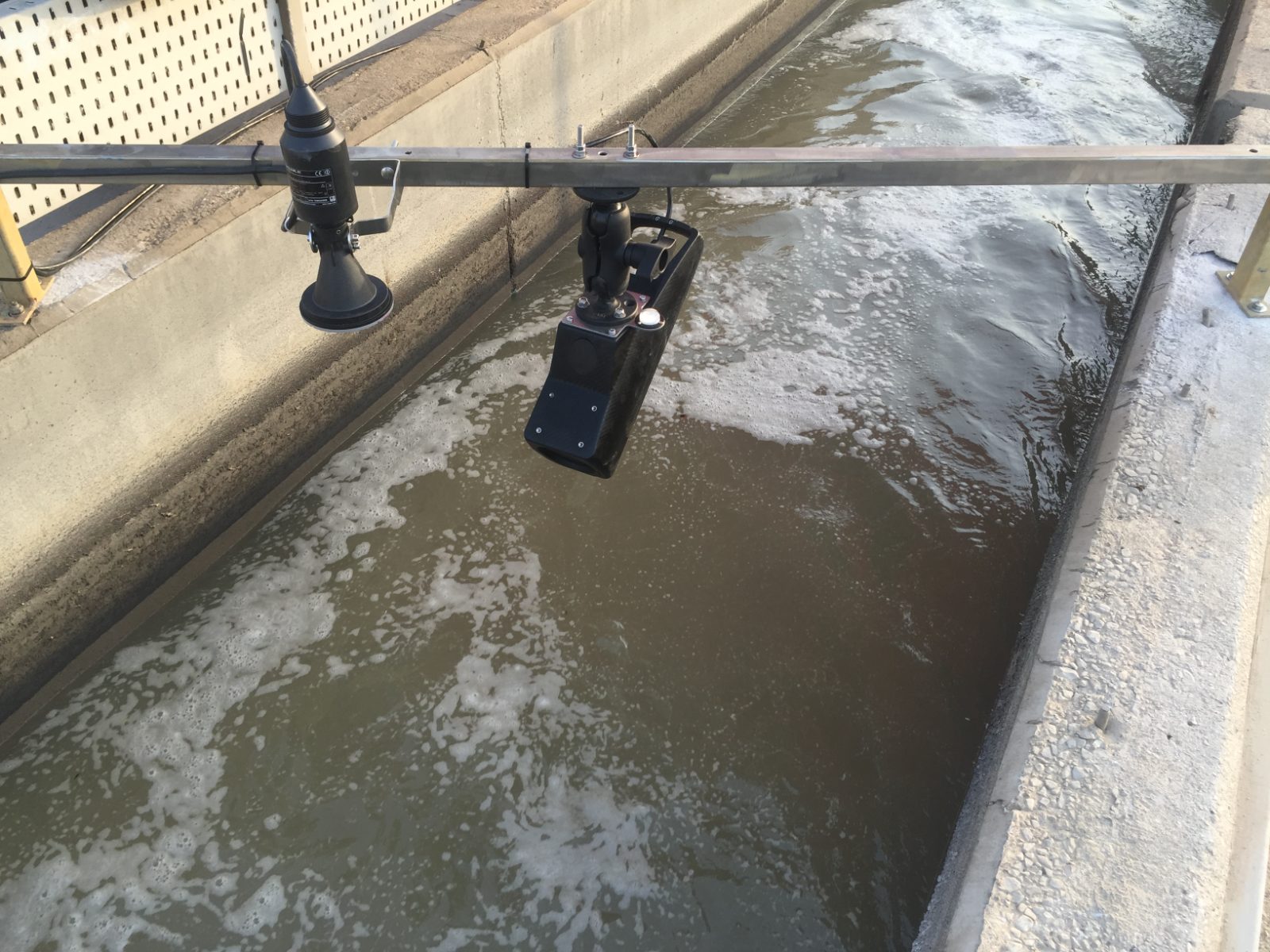
Non-contact flowmeter. Non-contact systems support open-channel and partially filled applications.
Check the required signal output and monitoring setup
A flowmeter should be compatible with the plant monitoring or control system. Before choosing a meter, confirm whether the reading will go to a local display, PLC, SCADA system, control panel, recorder or data logger.
For remote monitoring, Ashridge data loggers work with flow and level signals and can help facilities track flow data where permanent monitoring is not practical.
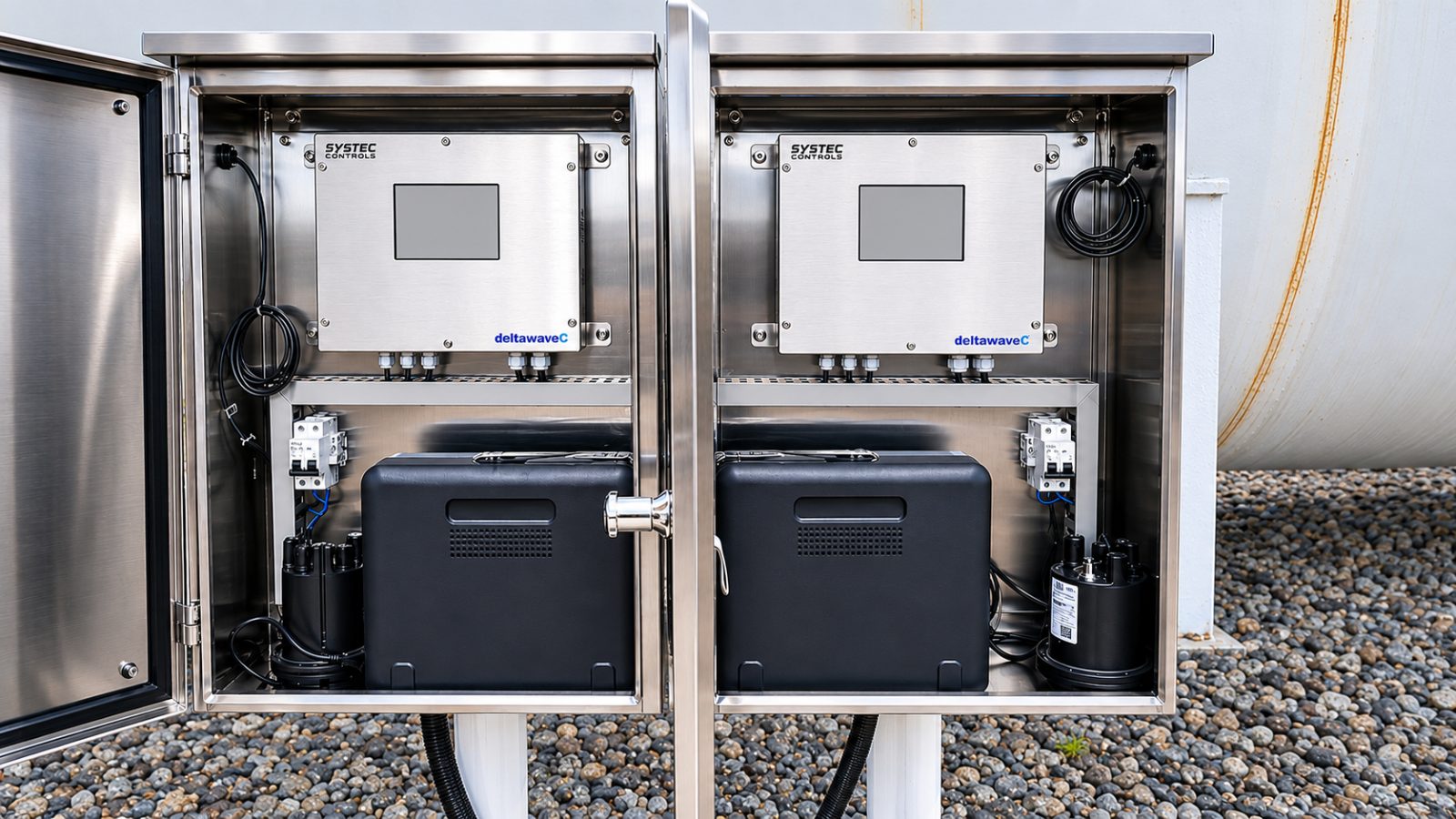
Instrumentation panel. Signal output should match the control, display or logging requirement.
Review the site conditions
The operating environment affects both the performance and life span of the flowmeter. Before selecting a unit, review whether the installation is indoor or outdoor, and whether it is exposed to flooding, moisture, heat, dust, vibration or difficult access. Also consider whether the site requires protection, telemetry and maintenance access.
A flowmeter should not only fit the technical measurement requirement. It should also be suitable for the actual site condition.
Common scenarios, fast.
A shortcut for the most frequent situations. Filter by what’s true for your site.
Flowmeter questions, answered.
Quick answers to the questions our engineers hear most often. Still unsure? Send us your application details and we’ll confirm the right choice.
Which flowmeter is best for clean water in a full pipe?
Can I measure flow without cutting into the pipe?
Electromagnetic vs ultrasonic flowmeter — which is more accurate?
How do I measure flow in an open channel or a partially full pipe?
Does an electromagnetic flowmeter work on any liquid?
How can I monitor flow at a remote site with no permanent monitoring?
What information does Flowtork need to recommend a flowmeter?
Have a question that isn’t here? Ask our team →
Need help selecting a flowmeter?
There is no one-size-fits-all flowmeter. The right choice depends on media, pipe or channel size, flow range, required accuracy, installation method, output signal and site condition. Send us your application details and Flowtork can recommend the right meter, mounting approach and data logging setup for your site.
We typically reply within one business day. No obligation.